From residential jobs to commercial lifting projects, our team brings precision and reliability.
Get Your Free Quote

Get Your Free Quote

From domestic projects near Dalmuir to commercial premises around Clydebank’s riverside and industrial areas, we supply secure storage containers with HIAB delivery included. The container arrives on the crane-equipped vehicle, ready to be lifted directly onto an agreed position at your property or worksite.
Combining transport and lifting in one visit makes the service well suited to yards, building sites, driveways and other locations where bringing in a forklift or mobile crane would add unnecessary complexity. The operator controls the set-down so the doors face the useful direction and the unit sits where it can be accessed.
Before confirming the job, we establish how the lorry will approach, where it can stand and how far the crane must reach. Gateway dimensions, roadside restrictions, neighbouring buildings, trees, cables and the strength of the surface beneath the vehicle and container are all considered.
A successful container delivery starts before the vehicle reaches Clydebank. We work from the proposed set-down point backwards, checking whether the crane has sufficient capacity at the required reach and whether there is a suitable position from which the lorry can operate.
The HIAB carries out the offload as part of the transport service. This keeps site coordination simpler, limits the number of vehicles involved and allows a container to be positioned even where no unloading machinery is available.
Our Clydebank enquiries range from household renovation storage to containers for contractors, workshops, retailers and industrial operators. A suburban driveway presents different challenges from a busy commercial yard, so every location is reviewed on its own conditions.
We also look beyond the footprint of the unit. The doors need room to open, the base must be supported correctly and the lifting route must remain clear. These practical details determine whether the chosen position will continue to work throughout the hire.


Storage requirements differ considerably, which is why container dimensions should be matched to both the contents and the available ground. Our crane-assisted service covers delivery, offloading and positioning, giving Clydebank customers one coordinated arrangement from arrival to set-down.
Tell us what you intend to store, the approximate volume and how much level space is available. Images of the approach and set-down area help us judge vehicle positioning and identify any feature that may restrict the lift.
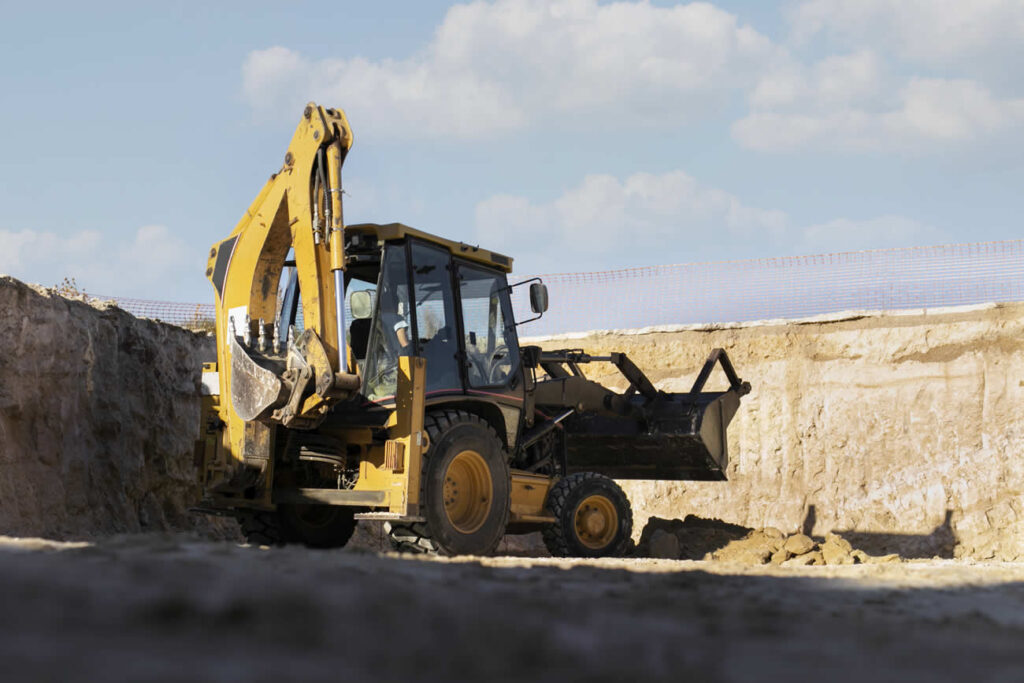
Older streets, enclosed premises and active worksites can make conventional unloading difficult. A lorry-mounted crane provides controlled reach from the vehicle, making it possible to consider set-down points separated by a boundary or located within a confined yard.
Where access looks challenging, accurate measurements are especially valuable. Show us the likely parking position, intervening obstacle and final set-down area so we can assess the proposed lift rather than relying on assumptions.
Clydebank’s position beside Glasgow and the A82 makes it well connected for container transport, while its mixture of residential neighbourhoods, regeneration areas and established industrial premises creates a broad range of storage needs. We serve the town as part of our wider Scottish HIAB operation.
For movements beyond the local area, both ends of the journey are assessed. Collection access, route limitations and the receiving site all influence the vehicle and lifting arrangement required.
Not certain which unit will work? Describe the contents, available footprint and anticipated dates. We can then discuss an appropriate size and check the options available for the required period.

A container can provide additional secure space for a few weeks or support an operation over a much longer programme. We coordinate its arrival, HIAB set-down and eventual collection, allowing the hire to fit around the reason storage is needed.
Once the purpose and duration are clear, we can focus on the set-down. The chosen area should be prepared in advance, remain accessible to the lorry and provide a firm base for the container for the full hire period.
A container that suited the first stage of a project may later obstruct new works, deliveries or vehicle routes. Our HIAB relocation service allows suitable units to be lifted from their present position and placed elsewhere on the site or transported to another address.
We need details of the container, its contents and both positions before arranging a move. The crane must be able to access the lifting points, and the destination must offer adequate support and door clearance.


Businesses use containers to solve space pressure without immediately changing premises. In Clydebank, they can support workshops, distribution activity, retail operations and contractors working across the town’s established and redeveloping commercial areas.
Commercial sites should provide operating hours, induction requirements and the contact for the delivery day. We can then plan around active vehicles, staff and other contractors while identifying a suitable working area for the HIAB.
Good preparation protects the site, the container and everyone nearby. We review how the vehicle will enter and leave, establish the crane’s working position and make sure the proposed base is appropriate before setting a delivery date.
Clear photographs often resolve access questions quickly, although complex positions may need further assessment. If the proposed set-down cannot be completed safely, we will discuss a more suitable location or delivery arrangement.
For a Clydebank container hire quotation, send us the postcode, preferred dates and an outline of what the unit will hold. Include the proposed set-down point, access measurements and any wall, building, tree or cable between the lorry and the destination. You can also call 0800 755 5844 to discuss the delivery.
Your quotation reflects the unit selected, length of hire, journey requirements and complexity of the crane-assisted set-down. A straightforward roadside placement will not require the same planning as a long-reach lift into a confined yard.
Send the Clydebank postcode, preferred dates, required size and clear images of the access and destination. These details allow us to assess the job properly and provide a price based on the actual delivery conditions.
Units commonly offered include 5ft, 8ft, 10ft, 20ft and 40ft options, although stock and transport availability vary. We will confirm which sizes can be supplied for your requested dates.
Capacity is only part of the decision: the vehicle must also reach the site and the chosen unit must fit its base with usable door space. A description of the contents and site measurements will help narrow the choice.
Yes. Our Clydebank service combines road transport with controlled HIAB offloading. We cover residential, construction and commercial locations where the lorry can reach a safe operating position.
We will verify access, crane reach and ground suitability before accepting the proposed set-down. Restricted yards and lifts over boundaries normally require photographs and accurate distances.
Remove vehicles, stored materials and other movable obstructions before the lorry arrives. The HIAB needs a controlled working zone with room for the vehicle and its stabilisers.
Prepare a firm, level base capable of supporting the unit for the full hire. The route and crane standing position must also be sound enough for the delivery vehicle.
Potentially. Feasibility depends on the unit’s weight, obstacle height, horizontal reach and available clearance. The crane’s lifting capacity reduces as the required reach increases.
Provide the distance from the closest practical lorry position to the set-down point, together with images and the height of the obstruction. We can then assess whether the proposed lift is appropriate.
Yes. Lockable containers give contractors a convenient place for tools, fixings, equipment and selected materials. HIAB placement is particularly useful on a site without suitable unloading plant.
Advise us of booking-in procedures, permitted delivery times and the nominated site contact. The operating area should be segregated and ready when the vehicle attends.
We need road and entrance widths, available turning space, surface type and the likely location of the lorry during the lift. Mention weight limits, parking controls and restricted delivery hours as well.
Identify anything overhead or between the vehicle and container base, including cables, trees, roofs, walls and parked vehicles. Add measurements wherever distance or clearance may be tight.
A firm, level set-down is strongly preferred because it supports the container evenly and helps its doors operate correctly. Significant slopes or weak ground may make the proposed location unsuitable.
Send images if the area is unmade, soft or uneven. Preparation or an alternative position may be required before delivery can proceed.
Both project-based and extended hire can be discussed. The available terms depend on the container, start date and current demand, so provide the most realistic timescale when enquiring.
An estimated completion window is helpful even when the exact end date is uncertain. Early notice makes later scheduling easier.
An extension may be possible, subject to the agreed hire conditions and onward commitments for the unit. Contact us before the original collection date so availability can be checked.
The earlier we know, the better the chance of accommodating a revised programme without disrupting the planned removal.
Yes, return transport and HIAB lifting can be arranged. The vehicle will need access to the unit and a suitable working position, just as it did when the container was delivered.
Empty the container as agreed and clear the surrounding area before collection. Tell us in advance if scaffolding, parked plant, new structures or other site changes affect the original lifting route.
Often, provided both the current and proposed positions can be reached safely. We reassess the lift rather than assuming the original delivery plan applies.
Share the reason for moving it, whether it contains anything and photographs of both areas. The new base must be ready before the relocation visit.
Typical contents include boxed household belongings, furniture, tools, non-perishable stock, project equipment and construction supplies. Packaging and moisture-sensitive items should be prepared appropriately for container storage.
Restricted, dangerous, unlawful and perishable goods must not be placed inside without express agreement. Ask before booking if the intended contents have unusual handling or storage requirements.
The lorry requires a firm standing area with space for stabilisers and controlled crane movement. It cannot simply stop wherever the shortest lifting distance appears to be.
Public roads, restricted premises and active sites may involve parking controls, traffic management or site-specific permission. We will consider these constraints when reviewing the Clydebank address.
Send the postcode, intended start date, estimated duration, preferred unit size and a description of its contents. Explain exactly where you want the container positioned rather than giving only the site address.
Wide-angle photographs of the approach, operating position and base are ideal. Add entrance widths, obstacle heights and the approximate crane reach so we can identify any issue early.